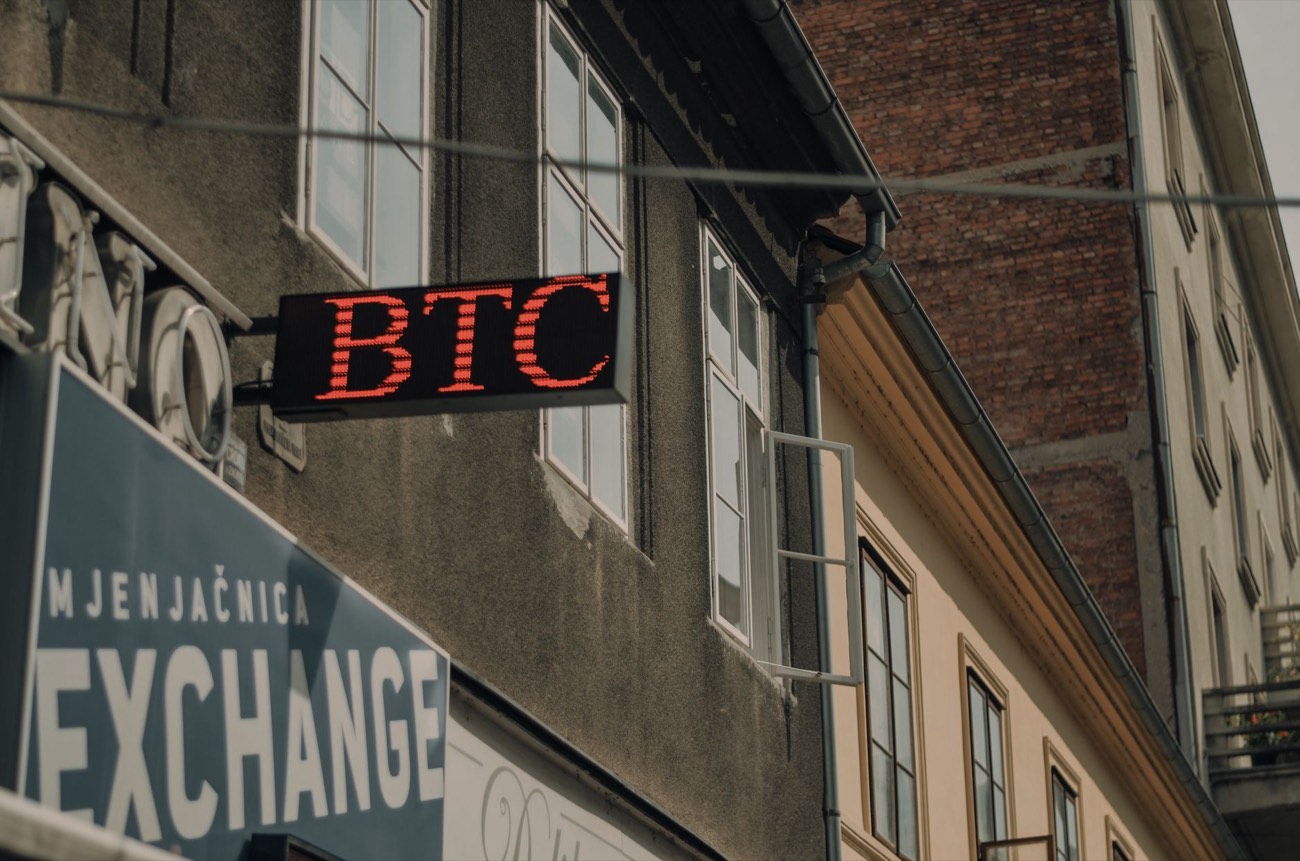
A crypto exchange is an online marketplace where you buy, sell, and trade cryptocurrencies. It plays a similar role to a stock brokerage: it connects people who want to buy with people who want to sell, sets prices based on supply and demand, and handles the mechanics of the trade. Most beginners start on a centralized exchange, a company-run platform where you deposit regular money (called fiat) and exchange it for crypto. This article explains how exchanges work, the main types, and the trade-offs to understand. It is general education, not financial advice, and it will not tell you which exchange to use.
How a crypto exchange works
At its core, an exchange does one job: it matches buyers with sellers. When you place an order to buy Bitcoin, the exchange looks for someone willing to sell at a price you accept, then completes the trade. Here is the basic flow on a typical centralized platform:
- You create an account and verify your identity. Most regulated exchanges require this step, known as KYC (Know Your Customer), to comply with financial rules.
- You deposit funds — usually regular currency from a bank transfer, debit card, or similar. The exchange credits your account balance.
- You place an order to buy or sell a specific coin. The exchange fills it from its order book, a live list of what other users are willing to buy and sell.
- The exchange records the trade and updates your balance. Your new crypto sits in an account the exchange controls.
- You withdraw to your own crypto wallet if you want to take custody yourself, or leave it on the platform.
The key detail beginners miss is step 4. On most exchanges, the coins you “own” are held by the company until you withdraw them. You have a claim on those funds, but you do not hold the private keys.
Centralized vs decentralized exchanges
There are two broad families of exchange, and the difference comes down to who holds your money and who runs the platform.
| Feature | Centralized exchange (CEX) | Decentralized exchange (DEX) |
|---|---|---|
| Who runs it | A company | Automated code (smart contracts) |
| Who holds your funds | The exchange (custodial) | You, in your own wallet |
| Identity check (KYC) | Usually required | Usually not required |
| Ease for beginners | Easier | Harder; needs a self-custody wallet |
| Customer support | Yes, a company to contact | Little or none |
| Main risk | You trust the company | You are fully responsible for mistakes |
Centralized exchanges (CEX)
A centralized exchange is run by a company that acts as a middleman. It holds your funds, matches your trades, and offers support if something goes wrong. This makes CEXs the friendliest starting point: they accept bank transfers and cards, have apps, and provide a familiar account experience. The trade-off is custody. Because the company holds your keys, you depend on its security and solvency. Exchanges have been hacked, frozen, or gone bankrupt, and users sometimes lost access to funds.
Decentralized exchanges (DEX)
A decentralized exchange has no company holding your money. Instead, trades happen directly between users’ wallets through self-executing programs called smart contracts. You keep control of your keys the whole time, which removes the “trust the company” risk. But DEXs are harder for beginners: you need a self-custody wallet, you pay network fees, and there is no support line if you send funds to the wrong place. Mistakes are usually permanent.
What fees do crypto exchanges charge?
Exchanges make money mainly through fees, and these vary a lot between platforms. The common ones:
- Trading fees — a percentage of each buy or sell, sometimes split into “maker” and “taker” fees depending on how your order is filled.
- Spread — the small gap between the buy price and sell price, which can act as a hidden cost, especially on beginner-friendly “instant buy” features.
- Deposit and withdrawal fees — some platforms charge to move money in or out, especially for card payments or crypto withdrawals.
- Network fees — when you withdraw crypto, you also pay the blockchain’s fee, which is separate from the exchange.
Because fees add up, it is worth comparing platforms and understanding the total cost of a trade, not just the headline rate. For more on this, see how to avoid high crypto fees.
How to choose an exchange as a beginner
This article will not name a “best” exchange, because the right choice depends on your situation and location. A few plain questions help you compare:
- Is it available and regulated where you live? Availability and rules differ by country and even by state. Check that the platform legally serves your region.
- What does it cost? Compare trading fees, spreads, and withdrawal fees for the coins you care about.
- What is its security and track record? Look for a history of protecting funds, clear ownership, and how it responds to problems.
- How easy is it to move funds off-platform? You want to be able to withdraw to your own wallet without excessive friction.
Whatever you choose, be alert to scams. Fake exchange websites and apps are common, and the FTC warns that once crypto is sent, it is very hard to recover. See common crypto scams before you sign up anywhere.
The bottom line
A crypto exchange is the marketplace where regular money meets crypto. For most beginners, a reputable centralized exchange is the simplest on-ramp, but remember that leaving coins there means trusting a company with your keys. Learn how to buy your first crypto to see the process end to end, and understand what a crypto wallet is so you can decide whether and when to move funds into your own custody. Compare carefully, watch for fees, and treat security as your responsibility from day one.