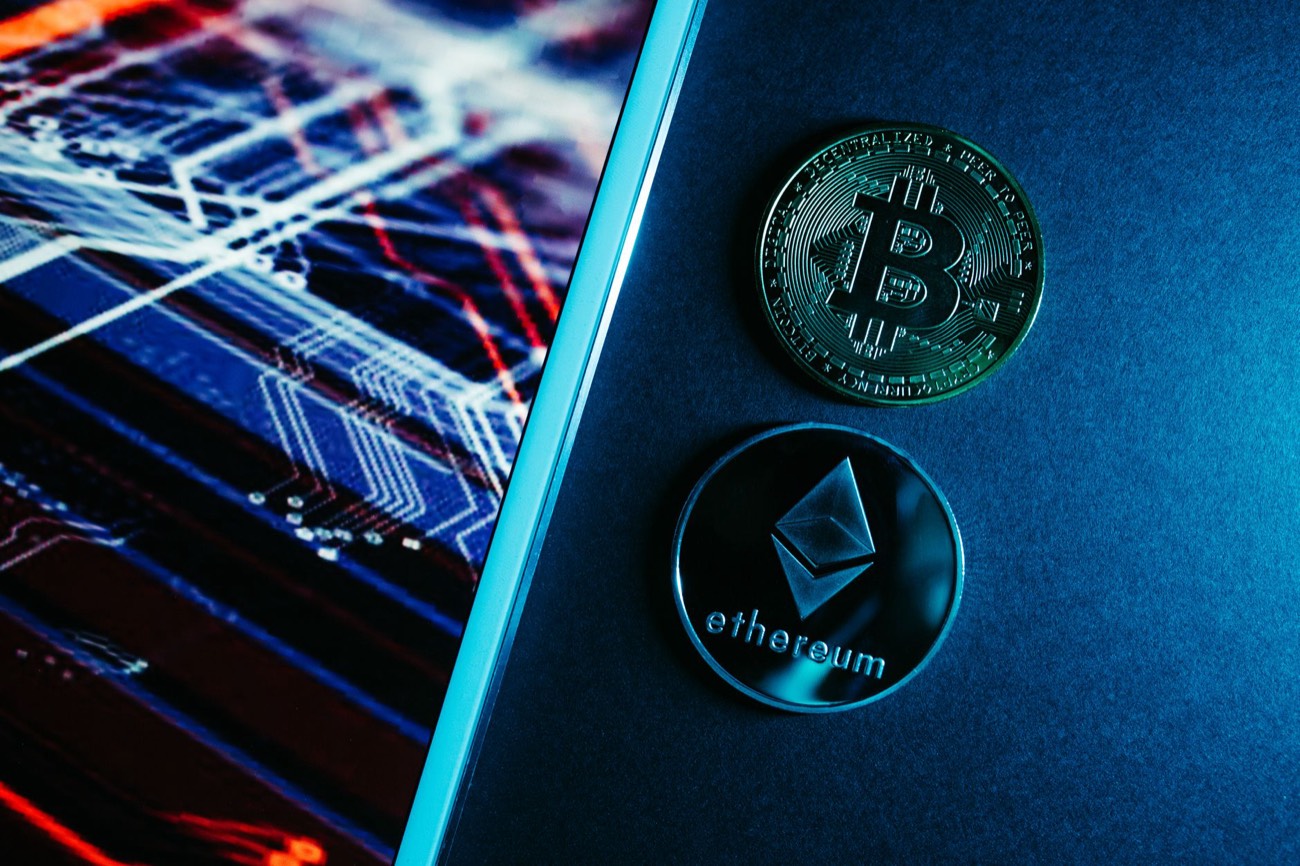
An NFT, or non-fungible token, is a unique digital certificate recorded on a blockchain that shows who owns a specific item. That item might be an image, a video clip, a piece of music, or an object inside a game. The word “non-fungible” simply means one-of-a-kind: unlike a dollar or a Bitcoin, where every unit is interchangeable, each NFT is distinct and cannot be swapped one-for-one with another. This article explains what NFTs are, how they work, what people use them for, and the real risks. It is general education, not financial or investment advice, and it will not tell you to buy anything.
Fungible vs non-fungible: the key idea
The whole concept rests on one word. Something is fungible when any unit can replace any other unit of the same kind. A $10 bill is fungible: your $10 and my $10 are worth exactly the same, and it does not matter which physical bill you hold. Most cryptocurrencies work the same way — one Bitcoin equals one Bitcoin.
Something is non-fungible when each unit is unique and not interchangeable. A specific painting, a numbered concert ticket, or the deed to a particular house cannot simply be swapped for another and treated as identical. An NFT applies that idea to digital items: it is a token that says “this exact thing belongs to this person.”
| Fungible token (e.g. Bitcoin) | Non-fungible token (NFT) | |
|---|---|---|
| Are units identical? | Yes | No, each is unique |
| Interchangeable? | Yes, one-for-one | No |
| Typical use | Money, payments | Ownership of a specific item |
| Example | 1 BTC = 1 BTC | A specific artwork or collectible |
How NFTs actually work
An NFT lives on a blockchain — most commonly Ethereum, though others support them too. When someone “mints” an NFT, they create a new token on the blockchain with a unique ID and a record of who owns it. That record is public and hard to fake, which is the appeal: anyone can verify who holds the token.
A few technical realities matter for beginners:
- The token is not the file. The NFT is a record and usually a link. The actual image or video is often stored somewhere else — a website, a cloud server, or a distributed storage network. If that external location goes offline, the NFT can end up pointing to nothing.
- Ownership is not copyright. Buying an NFT normally makes you the holder of the token, not the owner of the underlying intellectual property. The creator usually keeps copyright and the right to reproduce the work unless a contract says otherwise.
- Transactions cost network fees. Minting or trading an NFT means paying the blockchain’s transaction fee, which can be significant depending on the network and congestion.
So “owning” an NFT is best understood as holding a verifiable receipt on a public ledger — not necessarily controlling the file or its rights.
What are NFTs used for?
NFTs became famous through digital art and collectibles, but the underlying idea — a unique, verifiable token — has been applied to several areas:
- Digital art and collectibles. The most visible use, where images or generative art are sold as unique tokens.
- Gaming items. In-game objects like skins, characters, or land that a player can own and potentially trade.
- Memberships and access. Some communities use NFTs as a “ticket” that unlocks access to events, content, or groups.
- Music and media. Musicians and creators have experimented with NFTs to sell releases or offer perks to fans.
- Certificates and records. Proposed uses include proving authenticity of goods or documents, though many of these remain experimental.
Whether any of these deliver lasting value is unproven, and adoption has varied widely. The point for a beginner is that “NFT” describes a technology, not a promise of worth.
The risks beginners should understand
NFTs carry real and well-documented risks. Being clear-eyed about them matters more than any hype you may have seen.
- Extreme price volatility. NFT prices have swung dramatically, and many collectibles that once sold for large sums later became nearly worthless. Past prices are not a guide to future value.
- Low liquidity. Unlike a widely traded coin, a specific NFT may have few or no buyers when you want to sell. You can be stuck holding it.
- Scams and fraud. Fake collections, copied artwork, phishing links, and pump-and-dump schemes are common. The FTC warns that crypto transactions are hard to reverse.
- Wallet security. NFTs are held in a crypto wallet, so the same rules apply: protect your keys, and beware of malicious sites that ask you to “connect” your wallet and approve transactions you do not understand.
- Disappearing files. If the linked file is hosted on a fragile server, the visual content behind your NFT can vanish.
Because NFTs are held in a wallet, wallet safety is essential. Review how to keep your crypto safe and common crypto scams before interacting with any NFT platform.
The bottom line
An NFT is a unique token on a blockchain that records ownership of a specific digital item. The technology is genuinely novel — a public, verifiable receipt that anyone can check — but it comes with heavy caveats: owning the token rarely means owning the copyright, the underlying file may live elsewhere, and the market has been volatile and scam-prone. Treat NFTs as an experimental and high-risk area, not a path to easy money. To build the foundation you need, start with what is cryptocurrency and what is a crypto wallet, and approach any purchase with caution and your own research.