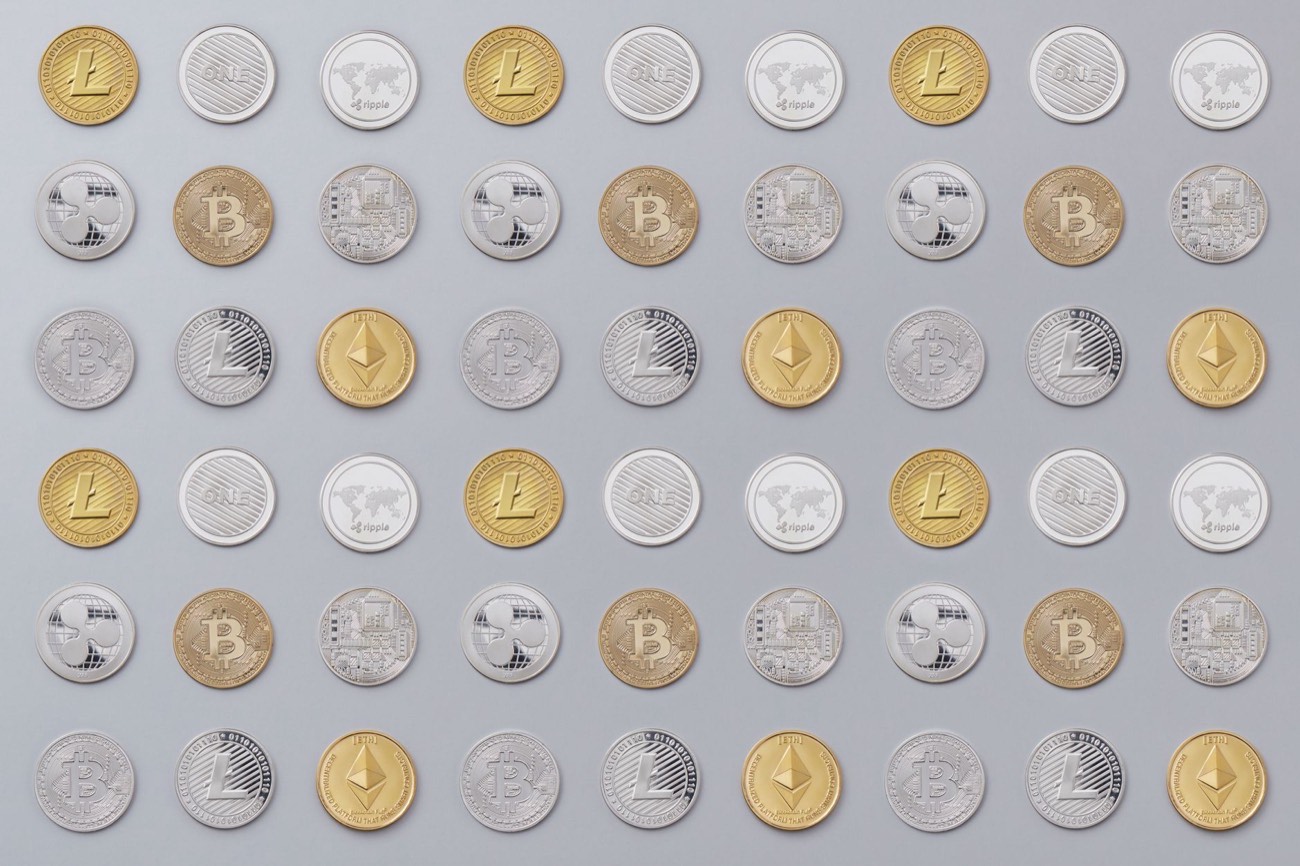
Cryptocurrency is digital money that lives on a shared, public record called a blockchain instead of inside a bank. Instead of a central company keeping track of who owns what, a worldwide network of computers agrees on every transaction and records it in a ledger that anyone can inspect. You prove you own your coins with a secret cryptographic “key,” and you send them directly to other people without a middleman. There are thousands of cryptocurrencies, each with different rules and uses. This article is general education, not financial advice, and it will not tell you what to buy.
How is cryptocurrency different from regular money?
When you hold money in a checking account, a bank keeps the record of your balance. If you send $50 to a friend, the bank updates its private ledger. You trust the bank to keep that record accurate and to keep your money safe.
Cryptocurrency replaces that trusted middleman with software and math. The record of transactions is not held by any one company. It is copied across many computers around the world, and those computers follow shared rules to agree on what is true. This is what people mean when they call crypto “decentralized.”
A few practical consequences follow from that design:
- No central account manager. There is usually no company you can call to reverse a mistaken payment or reset a forgotten password. If you send funds to the wrong address, that transfer is typically permanent.
- You hold the keys. Ownership is proven by a private key, a long secret string of characters. Whoever controls the key controls the funds.
- It runs all the time. The network does not close on weekends or holidays.
To understand the ledger itself, it helps to read what a blockchain is, because the blockchain is the engine underneath almost every cryptocurrency.
The building blocks, explained simply
You do not need to be a programmer to understand crypto, but a few core terms come up constantly. Here is a plain-English glossary.
| Term | What it means in plain English |
|---|---|
| Blockchain | A shared digital ledger, copied across many computers, that records every transaction in order. |
| Coin / token | A unit of value that lives on a blockchain. “Coin” often means a network’s own currency; “token” often means one built on top of another network. |
| Wallet | Software or a device that stores your keys and lets you send and receive crypto. It does not literally “hold” coins; it holds the keys that control them. |
| Public address | A shareable code, a bit like an email address, that others use to send you crypto. |
| Private key | A secret code that proves ownership and authorizes spending. Never share it. |
| Exchange | A company where you can convert traditional money into crypto and back. |
| Miner / validator | A participant whose computer helps confirm transactions and secure the network. |
The most important distinction for a beginner is between a public address and a private key. Your public address is safe to share so people can pay you. Your private key is like the PIN and password combined, and anyone who sees it can drain your funds.
What can you actually do with cryptocurrency?
People use crypto for a handful of broad purposes. Understanding these helps cut through the noise.
- Sending value. You can transfer crypto to anyone with a wallet, sometimes across borders, without going through a bank.
- Holding it. Some people buy crypto and keep it, hoping its value rises. This is speculative, and prices can fall just as fast as they rise.
- Using applications. Certain networks let developers build apps, such as lending tools or games, that run on the blockchain.
- Paying for goods. A small but growing number of merchants accept crypto, though this remains uncommon.
The best-known cryptocurrency is Bitcoin, designed mainly as a form of digital money. If you want the specifics, see what Bitcoin is and how it works. Another major network, Ethereum, was built to run programs as well as move value; you can read what Ethereum is for that side of the story.
How does a crypto transaction work?
Walking through a single payment makes the whole system easier to picture.
- You create a transaction. Using your wallet, you say “send this amount to this address.”
- You sign it. Your wallet uses your private key to produce a digital signature that proves the request is really from you, without revealing the key itself.
- The network checks it. Computers on the network confirm you have the funds and that the signature is valid.
- It gets recorded. The transaction is bundled with others into a “block” and added to the blockchain. Once confirmed, it is extremely hard to alter.
Because there is no central authority, the network’s rules and its participants are what keep the ledger honest. Different cryptocurrencies use different methods to reach agreement, but the goal is the same: make sure no one can spend money they do not have or spend the same coins twice.
What are the main risks?
Crypto is exciting to many people, but it comes with genuine downsides that are easy to underestimate. Being clear-eyed about them is the whole point of learning before acting.
- Price volatility. Values can rise or fall dramatically in short periods. Any price or market-cap figure you read is a snapshot.
- Irreversibility. A mistaken or fraudulent transfer usually cannot be undone.
- Scams and fraud. Crypto attracts a lot of fraud, from fake investment schemes to impersonation. The FTC documents common patterns; reviewing common crypto scams is worthwhile before you send anyone money.
- Self-custody responsibility. If you lose your keys or recovery phrase, no one can recover your funds for you.
- Evolving regulation. Rules differ by country and change over time. Anything about taxes or legal status should be treated as.
A calm way to weigh these is to ask whether crypto is safe for someone new; our overview of whether crypto is safe for beginners walks through that question without hype.
A beginner’s mental model
If you remember nothing else, hold on to this: cryptocurrency is a way to record and move value using a shared public ledger and cryptographic keys, with no central company in charge. That single idea explains the freedom (send value directly, hold your own keys) and the responsibility (mistakes are permanent, you are your own bank) that come with it.
Learning the vocabulary first, then practicing with tiny amounts on reputable services, is a sensible path. And keeping your keys safe is non-negotiable, which is why understanding how to keep your crypto safe matters as much as understanding what crypto is in the first place.
Crypto is a fast-moving field, and no single article can make anyone an expert. Treat everything here as a starting point for your own further reading, and remember that this is general education rather than personalized financial advice.